In brief
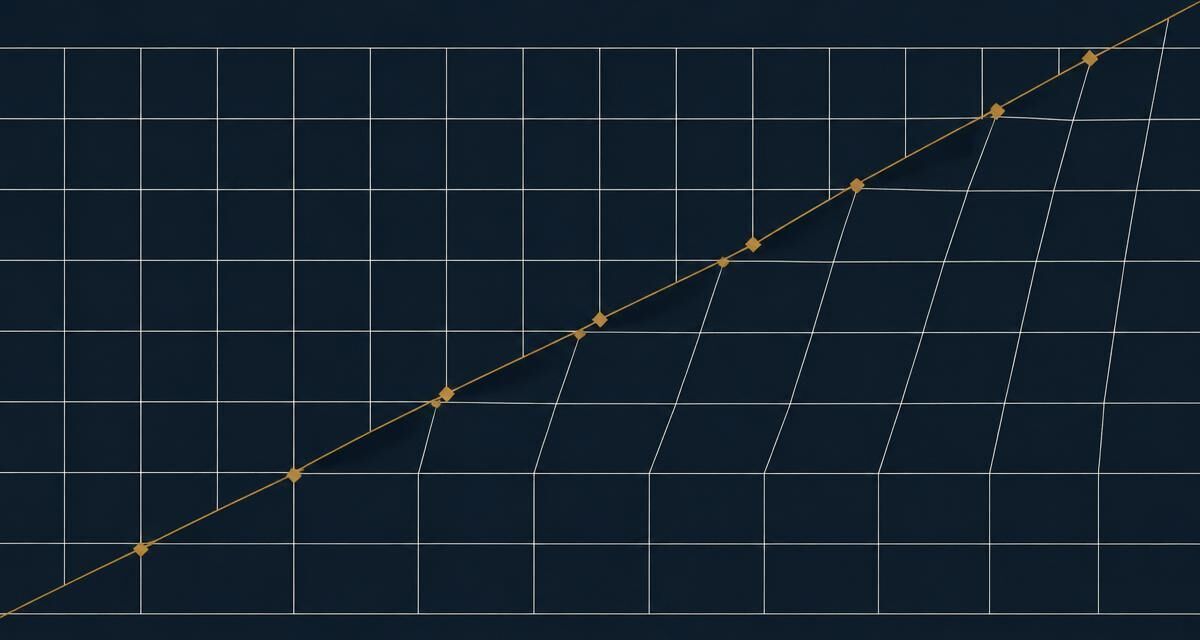
Sensitivity analysis changes one assumption while a scenario changes a coherent group of assumptions. Use both: sensitivities identify value drivers, while scenarios test operating responses, cash needs and covenant headroom. A downside case should connect slower sales to hiring, inventory and collections, not merely reduce revenue. Document management actions separately from automatic model responses and identify when new funding becomes necessary.
Key takeaways
- Sensitivity analysis changes one assumption while a scenario changes a coherent group of assumptions.
- Reconcile the inputs to source records and make assumptions explicit.
- Use the result to frame questions, not as an assurance conclusion.
Separate sensitivity from scenario
A sensitivity measures the output effect of an assumption change with other inputs held constant. A scenario changes a coherent set of drivers: demand, pricing, capacity, collections and management response. Avoid labeling a single revenue haircut a comprehensive downside case.
Illustrative worked example
A price sensitivity reduces selling price 5%. A recession scenario also changes volume, collection timing and staffing plans.
Translate downside into funding decisions
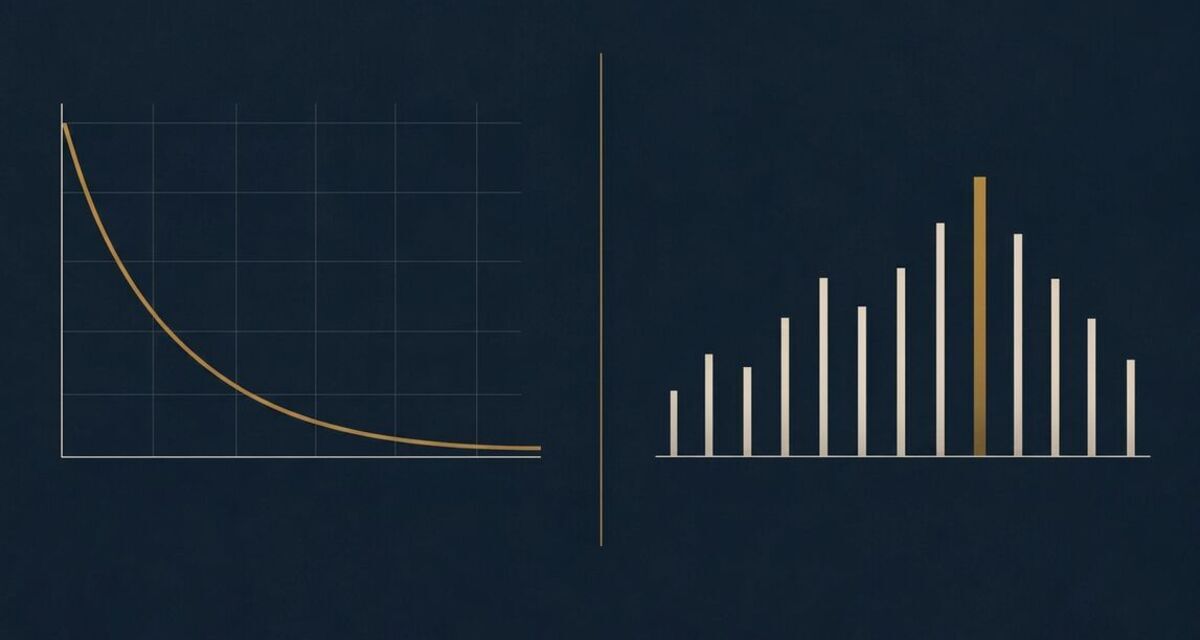
Show the monthly cash curve, minimum liquidity and any covenant measures using the actual financing definitions. Separate actions already approved from actions that management might take. Costs may lag a revenue decline and inventory may accumulate, making a short-term cash problem worse than the profit movement suggests.
Illustrative worked example
A $40,000 monthly cash deficit against $200,000 cash gives five months in a simple flat-burn example; delayed cost reductions or slower collections can shorten it.
Make the results actionable
Use a clear base case, upside and downside with sources for each material assumption. State trigger points and the response required. Compare both outcome and timing; financing needed next month is a different decision from the same amount needed next year.
Illustrative worked example
A downside case triggers a hiring freeze when forecast cash falls below the agreed reserve, not when a spreadsheet balance becomes negative.
Frequently asked questions
Educational content — not an audit, assurance opinion, or investment or legal advice.